AWARD WINNING BUYERS AGENTS TIPS
Because in property, what sits beneath the surface is often what matters most.
What Buyers Should Look For Before Making an Offer
One of the most important parts of inspecting a property is recognising the difference between cosmetic ageing and signs that may indicate something more serious.
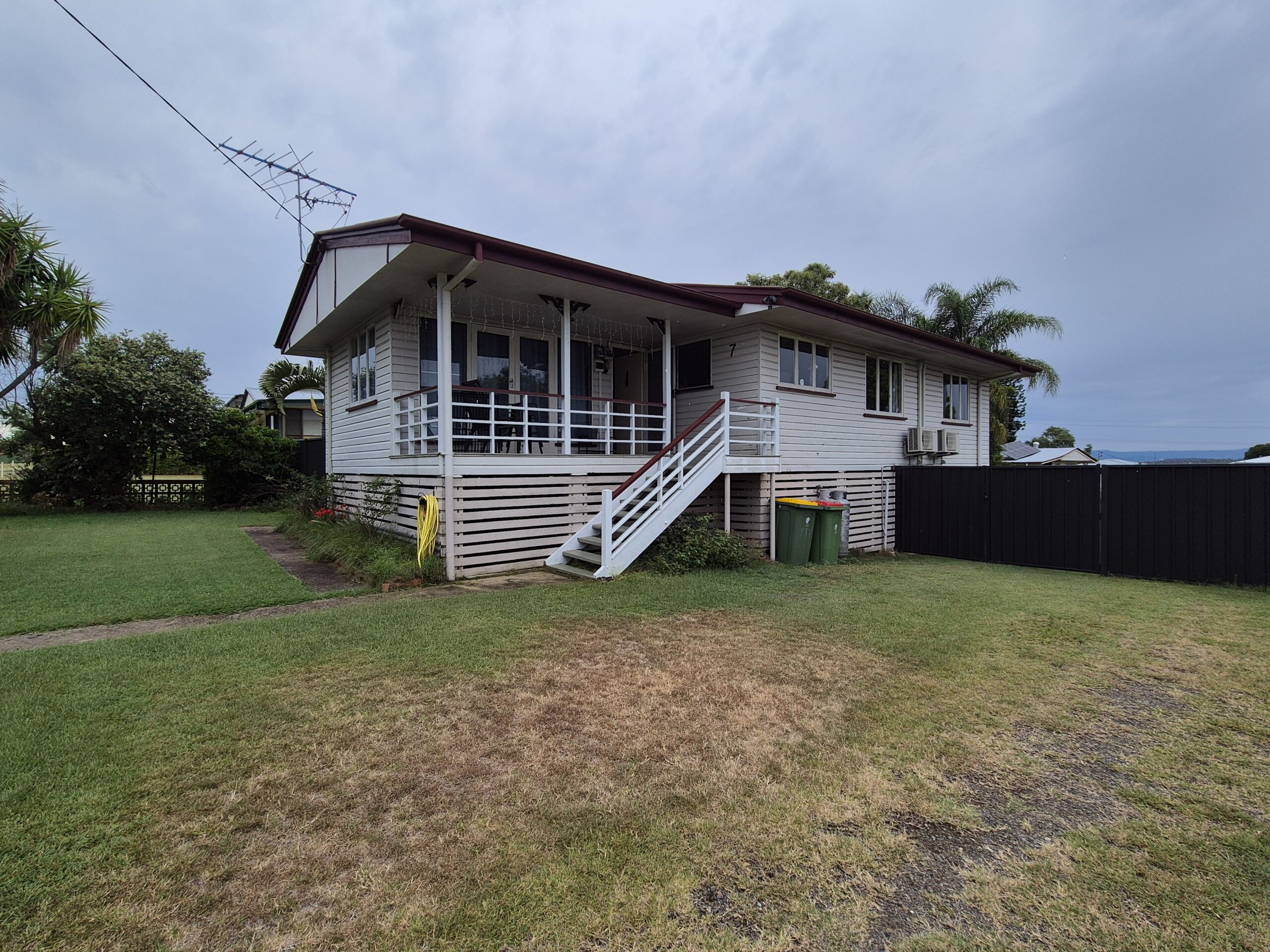
At a recent inspection of a home built in the early 1980s, there were visible cracks in the brickwork on multiple sides of the property, including cracking through the rear ramp area. While cracking is not uncommon in homes of this age, the pattern and location of the movement suggested it was something that needed closer attention.
Inside the property, there was also noticeable movement and creaking in the flooring across multiple rooms when walking through the home. Some movement can be expected in older houses, particularly depending on construction methods and materials. However, when internal movement appears alongside external cracking, it becomes important to investigate further.


Why Access Under the Property Matters
During the inspection, access to the subfloor area was locked. This meant the foundations could not be viewed.
For buyers, this is a significant limitation.
When structural movement is suspected, the subfloor area often provides the clearest indication of what is happening beneath the home. It can reveal whether cracking is related to normal settlement, drainage issues, soil movement, timber deterioration, or something more structural that may require engineering advice.
Being unable to inspect underneath a property is always something that should be treated carefully before moving forward.
Need Help Buying Property?
Homes Built in the 1980s Can Present Specific Considerations
Properties built in the early 1980s are now over 40 years old. Over that time, natural movement can occur due to:
- changes in soil conditions
- drainage patterns around the home
- tree root activity
- ageing building materials
- original construction methods
This does not automatically mean there is a structural defect. However, visible movement should always be properly investigated rather than assumed to be cosmetic.

Why Foundation Movement Matters to Buyers
Possible foundation movement can affect more than just the appearance of a property. It may influence:
- structural integrity
- future maintenance costs
- insurance outcomes
- lender confidence during valuation
- long-term resale value
In some cases, movement can be minor and manageable. In other situations, it may require specialist assessment before proceeding with a purchase.
Understanding the difference is critical.
Why Physical Inspections Still Matter
Online listings and photographs rarely tell the full story of a property.
Many important indicators only become apparent when walking around the exterior of the home, moving through internal rooms, and assessing how the structure behaves as a whole. Even then, there are times when further investigation is required before a buyer can make a confident decision.
Situations like this are a reminder that purchasing property should never rely on presentation alone.
When something does not look right, it is worth slowing down, asking questions and ensuring the right checks are completed before moving forward.
Because in property, what sits beneath the surface is often what matters most.