Toowoomba Property Growth [2026]
Toowoomba’s property market has seen strong growth, with property prices rising by around 66% since 2021. Growth has continued into 2026, supported by population growth, infrastructure investment, limited housing supply, and a growing local economy. These factors have helped attract buyers and investors from across Australia.
Toowoomba Property Market Overview: The Garden City
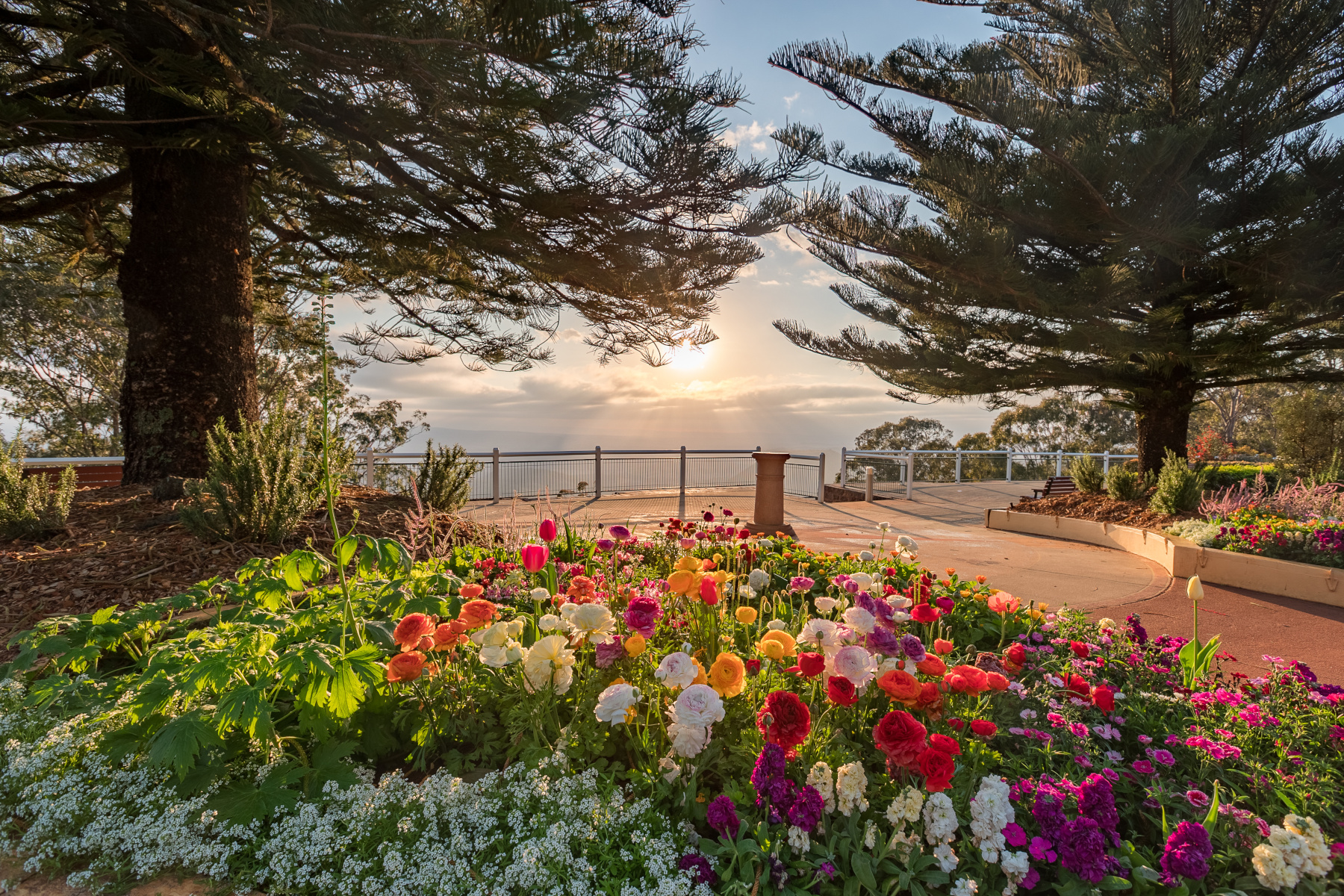
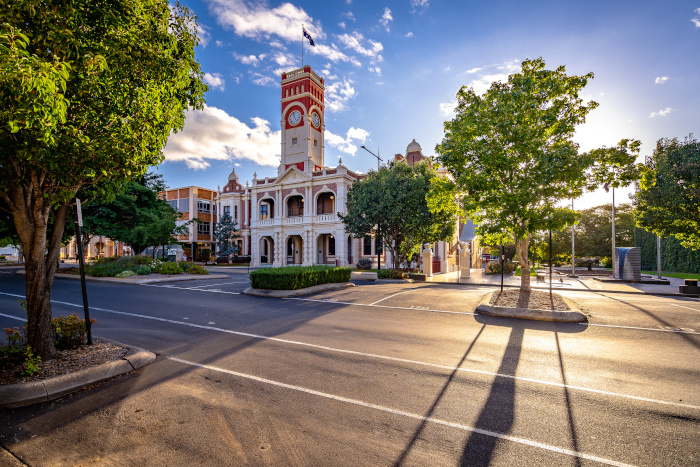
Toowoomba is a growing regional city in Queensland, located on the Great Dividing Range. It offers a mix of city convenience and country lifestyle. The city is known for places like Queens Park, Laurel Bank Park, and its historic buildings. Toowoomba also has a strong economy supported by farming, education, and healthcare.
In recent years, the city has become more popular because of its growing culture, increasing population, and more affordable housing compared to many south-east Queensland cities. This has made it attractive to both families and property investors.
Since 2021, Toowoomba house prices have increased by about 66%. Over the past year, prices in many suburbs have continued to grow by around 11% to 15%. With more people moving to the area, low rental vacancy rates, and major infrastructure projects happening across the Darling Downs, many people expect Toowoomba’s property market to keep growing in 2026.
Toowoomba Property Market at a Glance
| Metric | Value |
|---|---|
| Average House Price (Toowoomba Region) | About $680,000 |
| Average House Price (Toowoomba City) | About $765,750 |
| House Price Growth in the Past Year | Around 11.5% to 26.7%, depending on the suburb |
| Rental Return for Houses | Around 3.9% to 5.7%, depending on the suburb |
| Rental Vacancy Rate | About 0.65% (very few homes available for rent) |
| Average Time to Sell a House | Around 12 to 15 days |
| Population Growth Rate | About 1.67% in 2023–24 |
| House Price Growth Over 5 Years | About 90.2% |
Data sources include InvestorKit Research, Cotality, and PropTrack. Figures are based on data from early 2026.
Toowoomba Property Growth: Historical Performance
Toowoomba’s property market has been one of the strongest in Australia over the past five years. According to Cotality’s Regional Market Update, Toowoomba was the fifth fastest-growing regional market in the country, with property prices rising by 5.3% in just three months. Overall, property values increased by about 15.8% over the past year and around 90.2% over the past five years.
PropTrack data also showed Toowoomba as one of the top-performing regions in Australia, ranking sixth for property growth nationwide. Most of the regions on this list were in Queensland and Western Australia. Cotality’s Best of the Best Report for 2025 also highlighted strong growth across many Toowoomba suburbs.
House price growth in Toowoomba increased strongly from 2021 onwards. Over the past 10 years, house prices have risen by about 84%, which is similar to other large regional cities in Australia. Even with the strong recent growth, many experts believe the market is still in a healthy position and may continue to grow in the future.
5-Year Suburb Standouts
Several suburbs in Toowoomba had very strong property price growth in recent years:
- Wyreema had one of the biggest increases in regional Queensland, with house prices rising by 23.2% in one year.
- Mount Lofty saw house prices rise by 22.4% in one year and about 94.8% over five years, making it one of the area’s most desirable suburbs.
- Toowoomba City had house price growth of about 21% over the year.
- Highfields had house prices increase by more than 15% in the past year, reaching a median price of about $975,000. Property values there have also risen by about 93% over the last 10 years.
Apartment prices also grew strongly across Toowoomba:
- Wilsonton apartment prices increased by 26.9% over the year.
- Kearneys Spring apartment prices grew by 26.8%.
- Newtown apartment prices rose by 23.9%.
Rental prices have also increased. The average rent in Toowoomba went up by about 7.1% over the past year and around 48.8% over the past five years.

Key Growth Drivers
Population Growth & Internal Migration
From 2017 to 2021, Toowoomba’s population growth slowed down and reached its lowest point in 2021. During the COVID-19 pandemic, more people moved from big cities to regional areas like Toowoomba, while fewer people came from overseas because of travel restrictions.
Since then, population growth has become stronger again because the economy improved, more Australians moved to regional areas, and overseas migration returned. In the 2023–24 financial year, Toowoomba’s population grew by about 1.67%, which was close to the Australian average of 2.03%. More people moving to the area is expected to increase demand for housing in the coming years.
Many new residents are moving to Toowoomba from other parts of Queensland, especially Brisbane and the Gold Coast, where housing has become more expensive. The Australian Bureau of Statistics expects Queensland’s population to grow by almost one million people over the next 10 years, and Toowoomba is expected to welcome many of these new residents.
For every 100 new people moving to an area, about 40 new homes are usually needed. If Toowoomba gains around 30,000 new residents over the next decade, about 12,000 new homes may need to be built. This could make housing supply more challenging and may continue to support property price growth.
Employment & Economic Fundamentals
Toowoomba’s unemployment rate has improved a lot in recent years. It dropped from 7.7% in 2020 to 4.1% by the end of 2024. This means more people in the area are finding work. Job openings are also increasing again and are still much higher than they were before the pandemic. These signs show that Toowoomba’s job market is strong and the local economy is doing well.
Toowoomba’s economy is supported by many different industries, including farming, education, healthcare, transport, and construction. Because the city is not dependent on just one industry, it is better protected from economic problems than many other regional cities.
Major Infrastructure Investment
Toowoomba has several major infrastructure projects that make it different from many other regional cities in Queensland. These projects are helping create jobs and increasing demand for housing in the area.
| Project | Impact |
|---|---|
| Toowoomba Second Range Crossing | Improved travel and transport between Toowoomba and Brisbane, making trips faster and easier |
| Wellcamp Airport | Australia’s newest public airport, helping grow freight, business, and tourism |
| Toowoomba Hospital Expansion | Creating more healthcare jobs and helping more people stay in the region |
| 2032 Brisbane Olympics | Expected to bring more economic activity and infrastructure benefits to south-east Queensland, including Toowoomba |
Supply Constraints & Low Inventory
In 2024, the number of homes for sale in Toowoomba went down while the number of sales stayed steady. This caused housing supply to become very limited, with only about 1.6 months of available homes on the market. Since then, housing supply has stayed at a similar low level.
For more than 10 years, the number of new homes being approved for construction in Toowoomba has stayed below the level usually needed for a balanced market. Building activity increased slightly in 2025, but it is still considered low, which means there is little risk of too many homes being built.
This shortage of housing is one of the main reasons property prices have continued to grow over the long term.
At the moment, houses are selling very quickly, with many going under contract within about 12 to 15 days. This shows strong buyer demand and suggests property prices may continue to grow.
First Home Buyers & Government Schemes
In 2026, we have seen a large increase in first home buyers looking to purchase property in Toowoomba. This growth has been helped by new and updated Australian Government support programs for home buyers.
In October 2025, the Home Buyer Scheme was updated. The changes removed income limits and increased the property price limits, allowing more people to qualify. Under this scheme, the government can guarantee up to 15% of a home’s value, helping buyers purchase a home with a smaller deposit.
In December 2025, the Help to Buy scheme also launched across Australia. This program allows the government to become a part-owner of the home, which can make buying more affordable for first home buyers.
These programs are helping many people overcome one of the biggest challenges of buying a home, saving enough money for a deposit.
Because house prices in Toowoomba are still generally more affordable than Brisbane and the Gold Coast, many first home buyers are now looking at Toowoomba as a good place to buy property.
Investor Activity on the Rise
Data from the Reserve Bank of Australia (RBA) and PropTrack shows that more people across Australia are investing in property. Toowoomba is attracting a large amount of this interest because of its strong property market growth.
Many investors from other states are now looking to buy property in Toowoomba. At the same time, local residents are also buying and selling homes as their needs change, such as moving to a larger or smaller home.
This strong demand is increasing pressure on the whole property market, including affordable homes, family homes, and higher-priced properties.
Toowoomba Rental Market
The rental market in Toowoomba is very competitive at the moment. There are very few rental homes available, with the vacancy rate sitting at about 0.65%. A balanced rental market is usually around 2% to 3%, so this shows there is a shortage of rental properties.
Because of this, rents have increased by about 7.1% to 15.9% over the past year, depending on the suburb.
Rangeville was one of the top-performing suburbs in regional Queensland for rental growth, with average rents increasing by about 15.9% in one year.
Rental returns for investors can vary depending on the suburb and property type:
| Metric | Value |
|---|---|
| Vacancy Rate | About 0.65% |
| Rental Growth Over 12 Months | Around 7.1% to 15.9%, depending on the suburb |
| Typical Rental Return for Houses | Around 3.9% to 5.7% |
| Typical Rental Return for Units | Around 4.5% to 5.1% |
| Average Weekly Rent for Houses | About $529 to $660 per week |
We can expect rental prices in Toowoomba to continue growing into 2026 and beyond. This is mainly because more people are moving to the area while very few new rental homes are being built.
2026 Price Forecasts: What the Experts Say
Many property experts believe Toowoomba’s property market will continue to perform strongly in 2026.
Australia’s major banks are predicting house prices across the country will rise by around 4% to 6% in 2026. They also expect more affordable regional areas like Toowoomba to grow even faster than the national average.
SQM Research expects strong price growth in many areas, especially in Queensland. AMP is also forecasting continued house price growth across Australia.
The Domain Forecast Report says property prices are likely to keep rising because there are not enough homes available for the number of people wanting to buy or rent.
The Realestate Hot 100 list for 2026 named Highfields and Plainland as two property hotspots to watch. Nominated by Melinda Granzien as these areas have strong job growth, infrastructure projects, population growth, and new housing development.
PropTrack modelling suggests that by 2028, some Toowoomba suburbs could have median house prices of $1 million or more. These suburbs include East Toowoomba, Middle Ridge, and Highfields.
Overall, we can expect 2026 to be another strong year for Toowoomba property prices. However, some suburbs are expected to perform better than others.

Best Suburbs to Invest in Toowoomba in 2026
Not every suburb is expected to grow at the same rate. Below are some of the top areas that local experts and market data believe may offer the strongest property investment opportunities heading into 2026.
Highfields
Named in the realestate.com.au Hot 100 for 2026, Highfields was highlighted by Melinda Granzien as a popular area with strong local facilities, good infrastructure, and steady population growth.
House prices in Highfields increased by more than 15% last year, reaching a median price of about $975,000. Over the past 10 years, house prices in the area have grown by around 93%.
The average house rent in Highfields is about $660 per week, which can provide solid rental returns for investors.
Highfields is especially popular with families because of its good schools, relaxed lifestyle, and strong community feel.
Mount Lofty
Mount Lofty is one of Toowoomba’s most desirable suburbs. The average house price is about $960,000. House prices in the suburb grew by about 24.4% over the past year because many buyers are interested in its older character homes and elevated views.
Over the past five years, property values in Mount Lofty have increased by about 94.8%.
The average rent for a house is around $598 per week, making the suburb popular with families and professionals who work near the Toowoomba CBD.
Middle Ridge
Middle Ridge is one of Toowoomba’s most well-known and popular suburbs. It is known for its tree-lined streets, larger homes, and high-quality lifestyle close to the CBD.
Many families choose to live in Middle Ridge because it is close to shops, cafés, and good schools, including Middle Ridge State School and Highlands Christian College. The suburb is also close to the Ridge Shopping Centre.
Because so many people want to live there, rental vacancy rates stay low and property prices have remained strong over time.
Kearneys Spring & Harristown
These nearby suburbs are popular with property investors because they offer both good rental returns and strong price growth. House prices are still more affordable compared to many inner Toowoomba suburbs.
Both areas are close to the University of Southern Queensland and large shopping centres, making them popular with students, workers, and young families.
Rental returns are usually around 4.5% to 5%, which makes these suburbs attractive for investors. Apartment prices in Kearneys Spring also grew strongly, increasing by about 26.8% over the past year.
Rangeville
Rangeville is one of Toowoomba’s most attractive suburbs. It is known for its scenic views, tree-lined streets, and easy access to places like Picnic Point and the Range Shopping Centre.
The suburb is popular with both home buyers and renters. Because there is limited land available, property prices and rents have grown strongly over time.
Rangeville has a mix of renovated older homes and newer houses, which helps support higher property values and rental prices.
Over the past 12 months, Rangeville recorded the biggest increase in average rent in regional Queensland, with rents rising by about 15.9%.
Centenary Heights
This suburb is known for its strong community feel and access to good schools, including the popular Centenary Heights State High School. It is especially popular with families who often stay in the area for a long time.
House prices are generally more affordable than some nearby suburbs, and the area has low tenant turnover, meaning renters tend to stay longer.
Its location close to Rangeville, Middle Ridge, and the Toowoomba city centre also makes it a reliable choice for investors looking for steady and lower-risk rental returns.
Westbrook, Glenvale & Cotswold Hills (Growth Corridor)
Toowoomba’s western areas are quickly becoming popular places for future growth. New housing estates, better roads and transport, and a growing population are helping attract more buyers to these suburbs.
House prices in these areas are usually more affordable, which makes them appealing to first home buyers and young families. New shops, schools, and infrastructure projects are also helping the area grow.
Many homes in the western corridor are newer and built on larger blocks of land, which adds to their appeal. These suburbs are also expected to benefit as Toowoomba continues expanding west in the future.
Newtown
Newtown offers a more affordable way to buy property close to Toowoomba’s city centre. The average unit price is about $435,000.
The market grew by about 20.2% over the past year, helped by buyers wanting to live within walking distance of the CBD and nearby parks.
The suburb has a mix of older character homes and newer developments, which adds to its appeal. Rental returns are also strong, with units providing an average rental yield of about 5.1%.
Plainland
Named in the realestate.com.au Hot 100 for 2026, Plainland was highlighted by Melinda Granzien as an area with strong future growth potential.
Plainland is located in the growing region between Brisbane, Ipswich, and Toowoomba. It is becoming popular with first home buyers and investors who can no longer afford Brisbane property prices.
Strong rental returns and ongoing infrastructure improvements are also helping support the area’s growth.
The Rising Prestige Market
One major change in Toowoomba’s property market is the rise in high-end and luxury homes. In the past, homes worth more than $1 million were uncommon in the city. Over the last few years, this has changed a lot.
In suburbs like Top Camp, the average house price is now around $920,000, meaning many homes are getting close to the $1 million mark.
In 2024, Toowoomba recorded 18 property sales above $2 million and two sales above $5 million, including a record sale of $6.52 million. Ten years ago, prices like these would have been very unusual for the area.
PropTrack data suggests this trend may continue. By 2028, suburbs such as East Toowoomba, Kleinton, Westbrook, and Mount Lofty could have average house prices close to or above $1 million.
This could create opportunities for investors who buy property before prices increase further.
Toowoomba vS The Broader Regional Property Boom
Toowoomba’s strong property growth is part of a larger trend happening across Australia, where many regional areas are growing faster than major capital cities. In the three months to January 2026, property values in regional areas increased by about 3.2%, compared to 2.1% across the capital cities.
Regional cities are no longer seen as just cheaper alternatives to big cities. Many are now becoming popular investment locations because of stable jobs, new infrastructure, and attractive lifestyles. These factors are helping keep demand strong in places like Toowoomba.
In Queensland, regional cities such as Toowoomba, Bundaberg, and Cairns have all seen strong property markets, supported by population growth and infrastructure projects. Among these areas, Toowoomba stands out because of its diverse economy, close distance to Brisbane, and strong long-term growth.
Toowoomba is also still more affordable than Brisbane. The average house price across the wider Toowoomba region is around $680,000, compared to more than $1 million in Brisbane. This price difference continues to attract buyers and investors looking for better value.
Risks & Considerations
While Toowoomba’s property market has shown strong growth, there are still some risks and challenges investors should consider:
- Housing affordability: Property prices have risen a lot in recent years. As homes become more expensive, it may become harder for some buyers, especially first home buyers, to enter the market.
- Lower rental returns: In some areas, house prices have increased faster than rental prices. This means rental returns are lower than they were in the past, which may not suit investors focused mainly on cash flow.
- Interest rates: Interest rates are still higher than they were during 2020–2022. Higher borrowing costs can reduce how much money people are able to borrow, especially first home buyers.
- Some suburbs may perform better than others: Not every suburb or property type will grow at the same rate. Some areas may perform below the market average, so choosing the right property and location is important.
- New housing supply: At the moment, there are still not enough new homes being built to fully meet demand. However, if large numbers of new homes are built in certain areas, especially in western growth suburbs, price growth in those locations could slow down.
Conclusion
Toowoomba’s property market has continued to grow strongly in 2026. This growth is being supported by several key factors, including a shortage of housing, a growing population, major infrastructure projects, a strong local economy, and high demand from both home buyers and investors.
House prices have increased by about 66% since 2021, and many suburbs are still seeing strong yearly growth.
Australia’s major banks, SQM Research, PropTrack, and other property experts all expect Toowoomba to perform better than the national average in 2026. realestate.com.au has also named Highfields and Plainland as two of the top property hotspots to watch.
For buyers and investors, it may become harder to enter the Toowoomba market at today’s prices if growth continues. Precision Property Buyers Agency recommends focusing on suburbs with limited housing supply, strong rental demand, and good access to major infrastructure. These include Highfields, Mount Lofty, Rangeville, Kearneys Spring, and Toowoomba’s growing western corridor.
Like any property purchase, it is important to do careful research and get professional advice that suits your personal financial situation.

FAQ
Is Toowoomba a good place to invest in property in 2026?
Yes. Toowoomba is considered a strong property investment location in 2026. The area has very low rental vacancy rates of about 0.65%, steady population growth, major infrastructure projects, and a strong economy supported by different industries.
Property prices in Toowoomba have increased by about 90% over the past five years, and many suburbs are still seeing strong yearly growth in 2026.
Investors looking for long-term property value growth may find good opportunities in Toowoomba. Investors mainly focused on rental income should carefully choose the right suburb and property type to find the best rental returns.
What is the median house price in Toowoomba in 2026?
As of early 2026, the average house price across the wider Toowoomba region is about $680,000. In Toowoomba City, which is the central suburb, the average house price is higher at around $765,750.
Some premium suburbs are even more expensive. Highfields has an average house price of about $975,000, while Mount Lofty is around $960,000.
More affordable options are still available in some suburbs. For example, units in Newtown can start from around $435,000.
How much has Toowoomba property grown in the last 5 years?
According to Cotality data, property prices in Toowoomba have increased by about 90.2% over the past five years. This makes Toowoomba one of the strongest-growing regional property markets in Australia during that time.
Some suburbs have grown even more. For example, property prices in Highfields have risen by about 93% over the past 10 years, while Mount Lofty has increased by about 94.8% over the past five years.
What suburbs in Toowoomba are best for investment in 2026?
The suburbs most often recommended by property experts and Precision Property Buyers Agency as strong investment areas in 2026 include Highfields, Mount Lofty, Rangeville, Kearneys Spring, Harristown, Centenary Heights, Middle Ridge, and Toowoomba’s western growth areas such as Westbrook, Glenvale, and Cotswold Hills.
realestate.com.au also named Highfields and Plainland as two of Australia’s top property hotspots to watch in 2026.
What is the rental vacancy rate in Toowoomba?
Toowoomba’s rental vacancy rate is about 0.65%, which is much lower than the 2% to 3% usually seen in a balanced rental market. This means there are very few rental homes available.
Because rental properties are in high demand, rents are increasing and investors are less likely to have their properties sitting empty for long periods. This makes Toowoomba attractive for property investors looking for steady rental income.
Will Toowoomba property prices keep growing?
Major property experts and organisations, including Australia’s Big Four banks, SQM Research, AMP, PropTrack, and Domain, all expect Toowoomba property prices to keep growing in 2026.
They believe more affordable areas like Toowoomba could grow faster than the national average, which is expected to be around 4% to 6%.
The main reasons for this growth include a rising population, major infrastructure projects, a shortage of housing, and government support programs for first home buyers.
How does Toowoomba compare to Brisbane for property investment?
Toowoomba property prices are much lower than Brisbane’s, with the average house price around $680,000 compared to more than $1 million in Brisbane. Even with lower prices, Toowoomba has had strong property growth in recent years.
The city also offers a good lifestyle, a strong local economy supported by different industries, and is only about a 1.5-hour drive from Brisbane using the Toowoomba Second Range Crossing.
One downside is that Toowoomba’s property market is smaller than Brisbane’s, so homes may sometimes take longer to buy or sell. This is why choosing the right suburb and property is very important.
Should I use a buyers agency to invest in Toowoomba?
The Toowoomba property market is moving very quickly, with some homes selling in only 12 to 15 days. Because of this, having local knowledge and access to properties that are not publicly advertised can make a big difference when trying to buy the right property.
Precision Property Buyers Agency specialises in finding and securing strong investment properties in fast-growing areas like Toowoomba. Their local experience can help buyers compete in a fast-moving market and improve their chances of finding the right property.